EDP
Optimizing the Design System for collaboration, sustainability, and growth
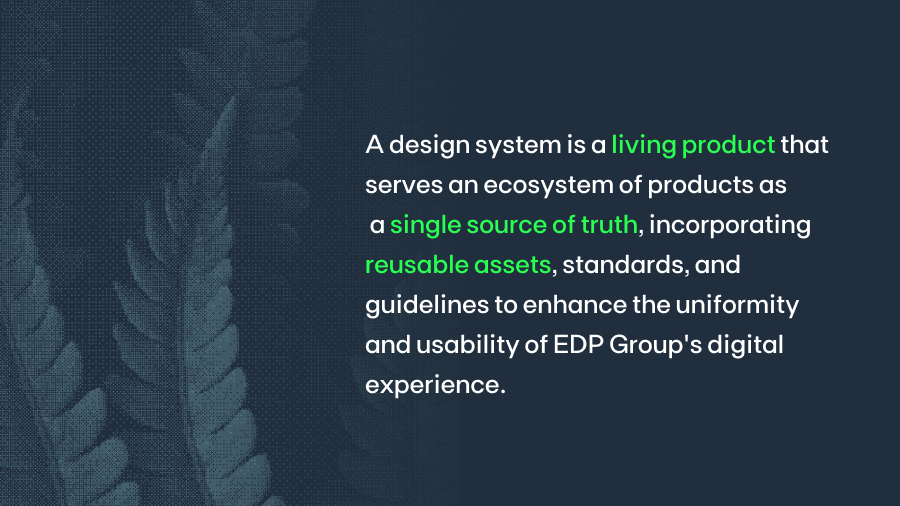
EDP’s Design System Management (DSM) had been operational but was underutilized, facing challenges in gaining adoption across different business units. Internally, awareness of the DSM’s capabilities was limited, and inconsistent documentation further hindered its use. As both DSM Product Owner and Senior Product Designer, I led a research initiative to address these issues and align the DSM with EDP’s broader digital and sustainability goals.
Role
Senior Product Designer & DSM Product Owner
Led the research initiative, conducting user interviews, facilitating workshops, and developing roadmap insights. Worked with stakeholders to align the DSM with EDP’s goals, ensuring it met both user needs and business objectives.
Team
UX/UI Center of Excellence
Lethicia Barros — Product Designer
Challenges leading up to the research initiative
Before the research began, the DSM faced multiple challenges that limited its adoption within EDP:
- Business Units adoption: Despite being created to assist both designers and developers, the DSM's application usage varied throughout business units. Many teams didn't know it existed or didn't have the necessary knowledge to make the most of it.
- Incomplete documentation: One of the biggest challenges was that there wasn't enough clear, detailed documentation on how to use the DSM components effectively. This made it tougher for people to adopt it, especially developers.
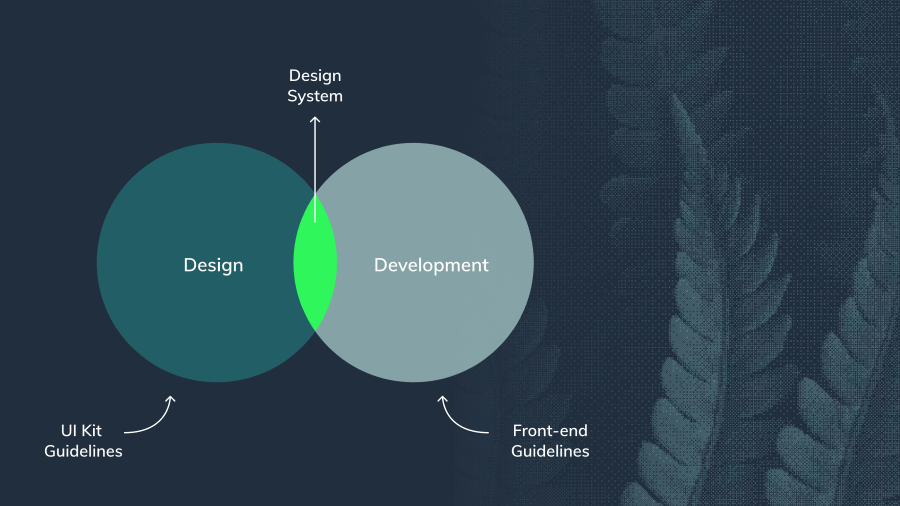
- Perceived as a Design-Only tool: Internally, the DSM was viewed as a tool primarily for designers, limiting its use by developers and product teams.
- Sustainability and accessibility goals: EDP’s commitment to becoming 100% green by 2030 required the DSM to evolve to include sustainable design and development practices. Additionally, the DSM needed to adhere to Web Accessibility standards, ensuring that digital products were accessible to all users, including those with disabilities, and met EU regulations for accessibility.
It became evident that a research-driven approach was essential to ensure the DSM's continued relevance and position it as a central tool for collaboration across the organisation.
Research target and methodologies
The research aimed to answer a central question:
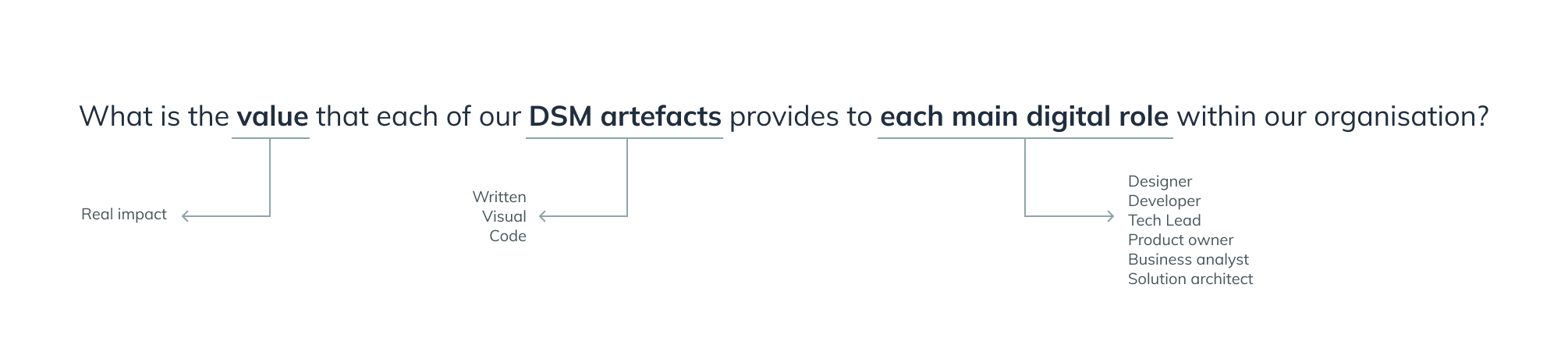
To address this, we focused on two primary user groups:
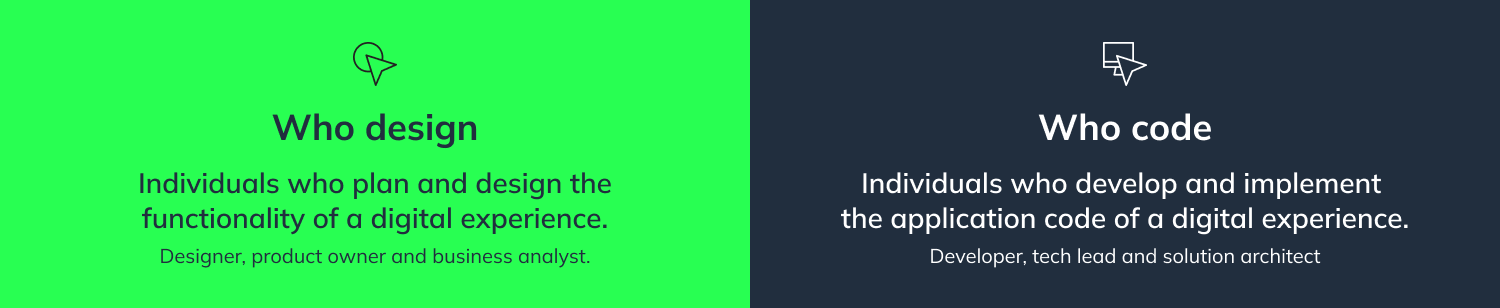
We used qualitative interviews as our primary research method. These interviews were designed to provide deep insights into each group’s specific pain points and needs. To ensure relevance, we created tailored scripts for each user type. This allowed us to focus on the unique interactions that designers and developers had with the DSM.
Through these interviews, we gathered detailed feedback on areas such as documentation, collaboration, and overall satisfaction with the system. The tailored approach helped uncover insights that guided the improvement recommendations.
What our research revealed
Our research uncovered several key insights like:
- Efficiency and productivity: Designers found the DSM helpful for consistency, but developers needed more technical documentation to integrate the system effectively into their workflows.
- Collaboration: The DSM improved collaboration between designers and developers but lacked the tools to fully break down silos between teams.
- Perception: There was a widespread perception that the DSM was primarily a design tool, limiting its adoption by developers and other internal teams.
- Documentation: Users emphasized the need for comprehensive and accessible documentation, including detailed component usage guidelines and technical specifications.

Creating a roadmap for the future of the DSM
The research led to actionable recommendations that were structured into a clear roadmap to guide the development and future improvements of the DSM. The roadmap was divided into three core areas: communication, components, and assets, which address key insights gathered from the research.
Communication
Our research revealed a lack of clarity among stakeholders regarding the appropriate access point for DSM documentation and updates. This resulted in the need for a centralised platform for regular DSM updates and a feedback loop, with the objective of fostering collaboration and transparency.
Components
The research findings emphasise the necessity for enhanced documentation and a more robust approach to sustainability. Our team focused on two key areas: firstly, revising component usage guidelines and, secondly, integrating sustainability and accessibility standards into the DSM.
Assets
To improve efficiency and consistency, we must develop reusable assets for a wider audience, such as templates and developer resources, aligned with sustainability and accessibility guidelines.
A review of these key areas has enabled us to refine the DSM roadmap and realign our product strategy in a way that supports EDP's wider objectives of sustainability and cross-functional collaboration.
These insights also helped us ensure that the DSM evolved into a key strategic tool for the entire organization.