Cofidis
Empowering car dealers and optimizing car loan approvals
Car dealers working with Cofidis faced challenges submitting car loan proposals. The platform's automatic loan approval system needed data about existing loans to be 100% effective, but dealers had no way of entering this data. As a result, proposals were rejected, leading to frustration and more calls to the support team.
As Senior Product Designer, I led a solution to streamline loan data entry, reduce proposal rejection rates, and minimize support calls. The team goal was to deliver a working MVP in just 2 months.
Role
Senior Product Designer
Led the design iniciative, inclindig the design sprint, prototyped a mobile-first solution, and conducted user testing. Collaborated with stakeholders and development temafor smooth implementation.
Team
Georgete Oliveira — Product Owner
José Veiga — Tech Lead
Ricardo Nogueira — Commercial Manager
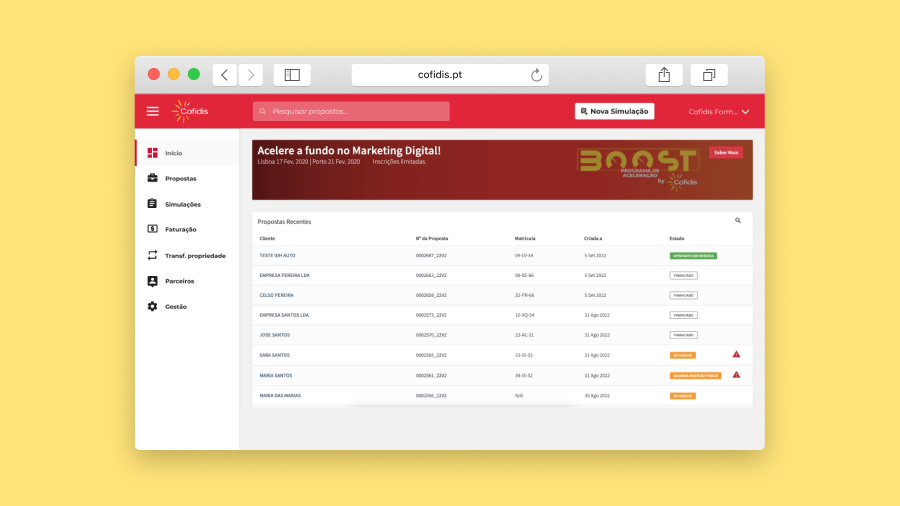

Why so many loans rejections?
Partners, particularly car dealers, were not able to provide full loan details when submitting credit proposals. Without a clear way to indicate which outstanding loans customers intended to settle, incomplete forms led to automatic rejection, frustrating partners and overwhelming support teams.
As one partner noted:
“When I can't submit some information on the platform, I end up having
to contact support several times to help me complete the proposals.”
The problem was costing time, money, and efficiency — both for partners and the support team.
The long-term strategic goal was to simplify the entire loan liquidation process, with a vision for OCR (optical character recognition) technology that would automatically detect and fill in loan details based on a customer’s financial documents.
What our research showed
Our research — which combined qualitative interviews and quantitative data — revealed a fundamental problem: the car partners had no way of entering the data on the loans to be settled, leading to a significant rejection rate of 60%.
In addition, the support team were spending a lot of time adjusting these types of credit proposals, which led to operational bottlenecks.
How we built the solution in 5 days
With the problem clearly defined, we initiated a design sprint to rapidly develop a solution that addressed the inefficiencies. The objective was to design a clean, intuitive interface that allowed partners to easily add, edit, and manage loan details.
We started with a workshop involving the Product Owner, Tech Lead, and key stakeholders. In this session, we framed the problem, set objectives, and explored potential solutions using rapid ideation techniques like Crazy 8s to generate a variety of sketches and ideas.
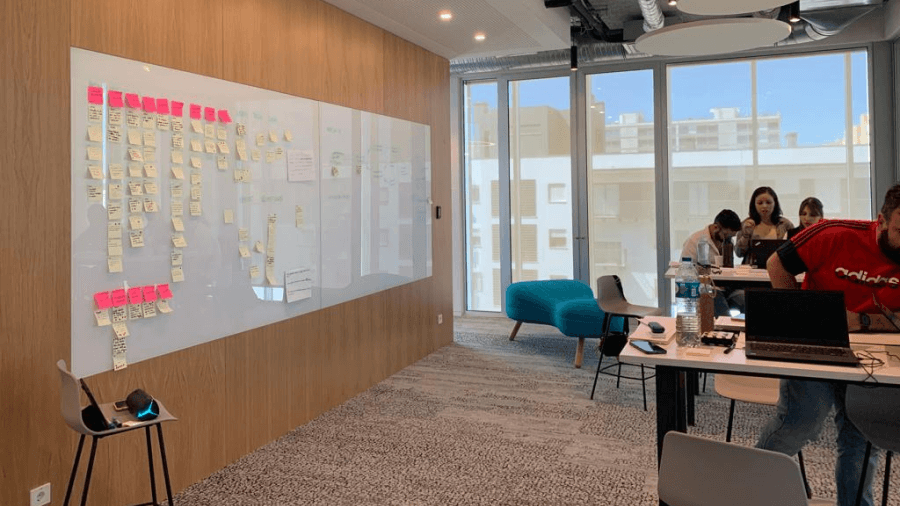

Design sprint workshop day
Day 1: Ideation
On the first day, we focused on framing the problem and generating ideas through rapid exercises. Our team engaged in an energetic brainstorming session, exploring different design possibilities and approaches. From this collaborative effort, we distilled two critical guiding questions:
- How can we ensure partners submit complete loan proposals?
- What will make this process intuitive and error-proof for partners?
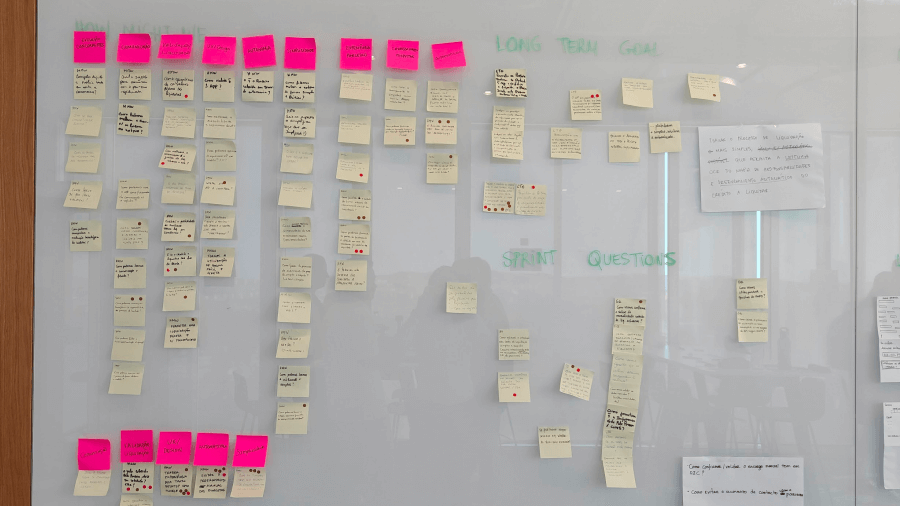
Sprint question and long term goal
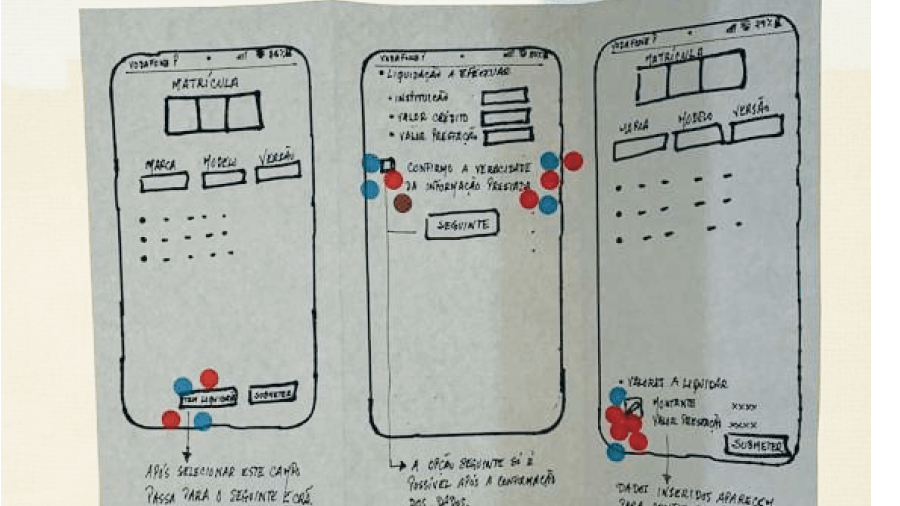
Winner solution from Design sprint day to prototype and test
Day 2: Prototyping
Based on the ideas generated, we developed a mobile-first prototype that featured:
- An “Add Loan” function, enabling partners to input key loan details like lender name, balance, and payment amounts.
- A summary page that allowed partners to review all loan details before submission, reducing the likelihood of errors.
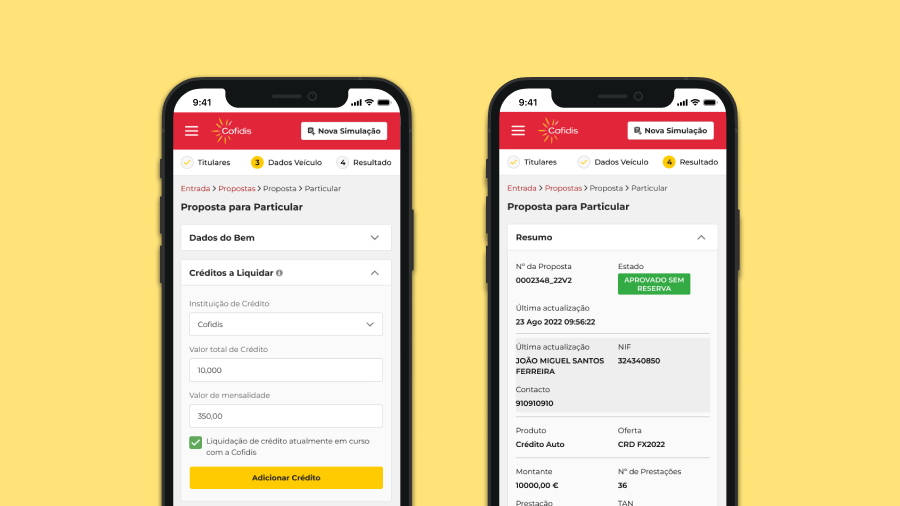
First prototype than went to usability tests
Streamlined loan submission with measurable results
After usability testing with car dealers, we iterated on the design to address feedback, particularly around handling multiple loans and clearer navigation.
The final solution allowed partners to easily add, edit, and remove loan details, with a summary screen validating all information before submission.

The results were immediate:
- 90% reduction in support calls related to incomplete applications.
- Higher loan approval rates and increased partner satisfaction due to a “user-friendly” interface that saved time.
Before the redesign, 60% of applications were rejected. After implementation, partners submitted complete and validated applications, allowing the support team to focus on strategic tasks.